
Reverse Dieting & Why It’s Your Secret Weapon for Long-Term Metabolic Health

If you’ve ever felt like your metabolism “broke” after years of dieting — you’re not imagining it. The more you restrict, the more your body learns to survive on less. Reverse dieting is how we teach it to trust us again.
Reverse dieting is the intentional process of slowly increasing your calorie intake after a period of restriction. Instead of diving face-first into a pizza-and-pasta free-for-all, you strategically add small amounts of food each week to restore your metabolism, hormones, and energy levels.
Think of it as re-building your body’s “metabolic engine” — one that’s been running on fumes.
Why Women Need It (Especially After Years of Dieting)
Most women who come to me have dieted on and off for years. Low-calorie cleanses. Endless cardio. Fasting windows that felt more like punishments than wellness hacks. The result?
A body that’s efficient at surviving, not thriving.
When you live in a calorie deficit too long:
• Thyroid and sex hormones downshift
• You feel cold, anxious, foggy, or irritable
• Sleep gets weird
• Weight loss stalls; even though you’re “doing everything right.”
Reverse dieting is how we hit the reset button.
The Science of a “Broken” Metabolism
Your metabolism adapts to protect you. When calories drop too low for too long, your body lowers energy expenditure (NEAT), slows digestion, and reduces non-essential functions (like libido). It’s not broken- it’s smart.
Reverse dieting re-teaches your body that it’s safe to burn fuel again.
How to Know You’re Ready
You might be ready to reverse diet if you’ve been:
Eating 1,400 calories or less for months
Plateaued despite tracking perfectly
Feeling fatigued, bloated, or inflamed
Missing your period or sleeping poorly
Mentally exhausted from restriction
How to Do It Right
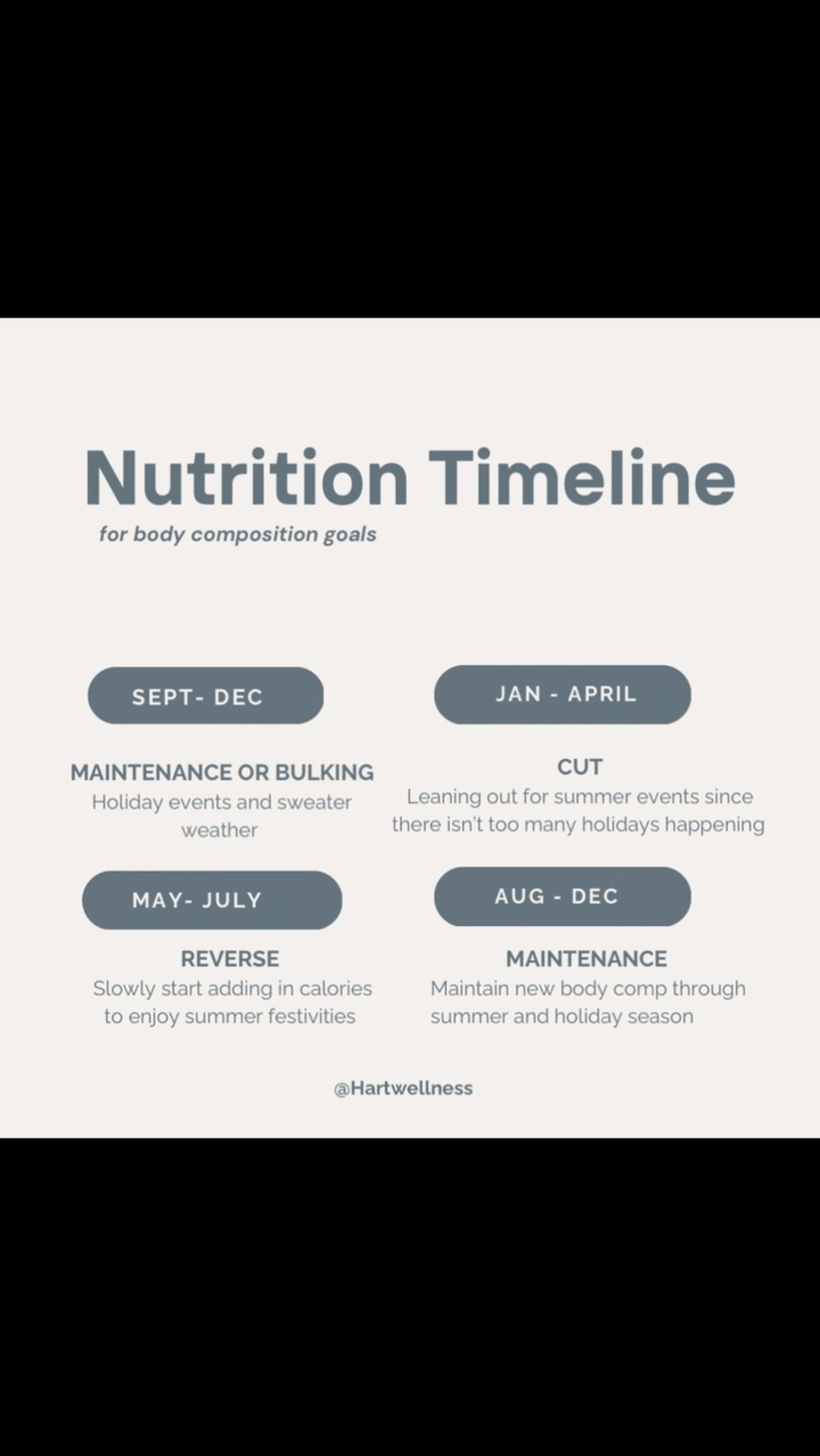
Start slow. Add 50–100 calories per week- usually from carbs and fats
Lift heavy. Strength training tells your body, “Hey, we need muscle-keep it.”
Track progress, not perfection. You may gain a little water weight at first; that’s your glycogen and hydration returning
Stay the course. Most people need 8–16 weeks before stabilizing
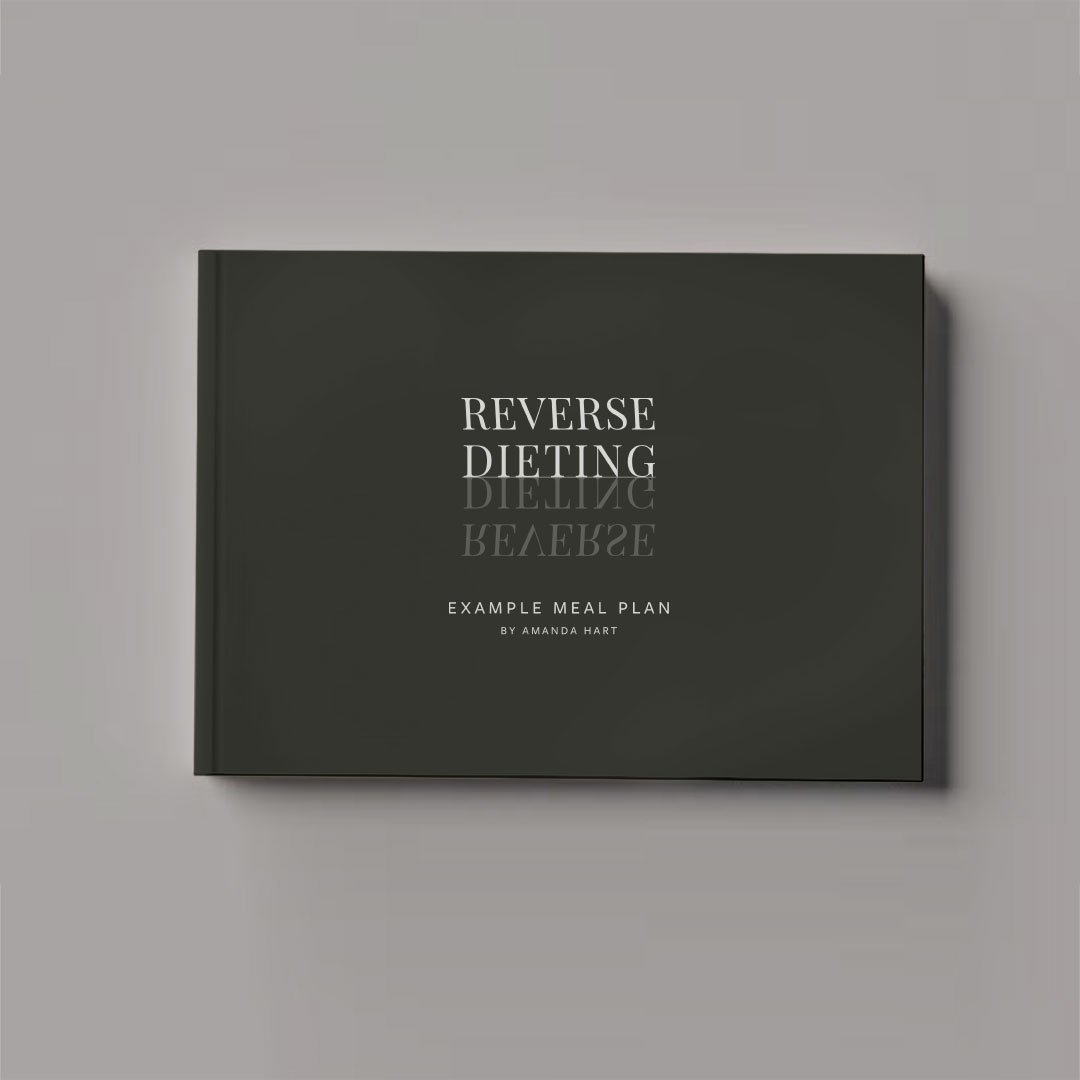
A DIY downloadable 4-week diet & movement program designed to slowly increase caloric intake and increase metabolic capacity.
Common Mistakes
Ramping up too fast. Going from 1,200 to 2,000 overnight will just cause rebound gain
Skipping strength work. The reverse only works when paired with muscle stimulus
Panicking at the scale. Weight fluctuations are data — not disaster
The Mind-Body Piece
Reverse dieting isn’t just nutritional. It’s nervous-system work. You’re teaching your body that safety and abundance can coexist. The somatic cue here is calm consistency — meals on time, blood sugar stable, movement you enjoy.
When your system feels safe, your metabolism follows.
Reverse dieting is how we stop fearing food and start fueling life again. It’s how we move from survival to vitality-one bite, one breath, one rep at a time.
Want to learn exactly how to reverse-diet step-by-step?

Significantly improve your metabolic capacity over 16-weeks with intense nutrition monitoring and strength training. For individuals looking for a serious program that will speed up the metabolism safely.
Upon purchase you are officially a new client! You will be directed to the client portal to begin. Perfect for athletes who participated in a fitness competitions or anyone struggling to lose weight due to extreme dieting.
Tailored-to-you workouts that come equipped with videos that change every 4 weeks. Customized for you and your needs.
Weekly unparalleled support, guidance, and accountability from a coach who really cares, including weekly check-ins and bi-weekly zoom calls with Coach Amanda
Individualized calorie and macronutrient suggestions based on your current nutrition habits
Mindful and guided goal setting to align with the results you want
Morning and evening self-care rituals
Meditation and breath-work practice recommendations
Nutrition: cookbooks and shopping lists and suggestive supplement guides
Specialized HIIT cardio workouts geared specifically towards your goal
Unlimited text support throughout the week for whenever you have a question or need an extra bit of encouragement from Amanda.

Follow Amanda Hart for free fitness tips






















This is an all-in-one movement and nutrition program that introduces herbal remedies into your weekly regimen. Together we will manage your consumption while integrating supportive activities like light strength training, meditation, breath work, and positive mindset practices so that you will reap maximum benefits.
Upon purchase you are officially a new client! You will be directed to the client portal to begin.
Includes:
Journaling exercises and prompts
Exclusive access to guided meditations
Private 1:1 breath work sessions
Plans & routines to optimize positive mindset
A wealth of plant medicine usage guidance
Unlimited text support