
Microdosing with Psilocybin: What We Know & What to Ask
You’ve heard the buzz and maybe you’ve seen the reels. Microdosing mushrooms has officially left the psychedelic fringe and entered the wellness chat. But what is it, really? And is it something you should try?
Let’s cut through the hype and talk about what we actually know, from science, not TikTok.
What Microdosing Actually Is
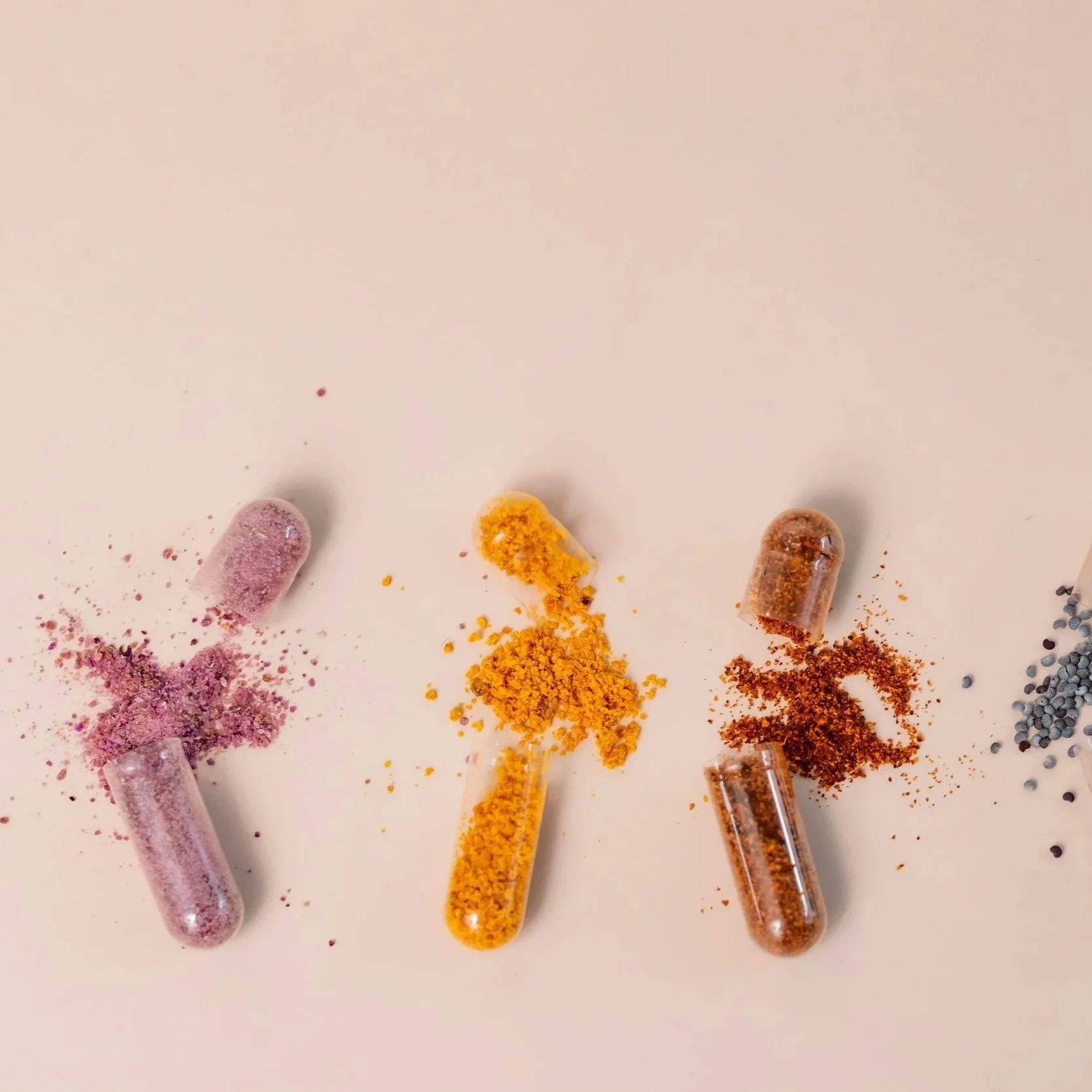
Microdosing is taking sub-perceptual doses of psilocybin, the active compound in “magic” mushrooms- usually around 1/10th of a recreational dose.
In other words, you don’t hallucinate or “trip.” You simply experience subtle shifts in mood, creativity, and focus.
Typical protocols (like the Fadiman or Stamets stack) involve dosing every 3–4 days to avoid tolerance and allow integration days in between.
Why People Do It
Preliminary research and self-reports show potential benefits like:
Improved mood and emotional regulation
Reduced anxiety and depression
Increased creativity and flow state
Enhanced focus and motivation
Decreased rumination and stress response
The most fascinating part? Many users describe a stronger mind-body connection- a sense of “coming home” to themselves.

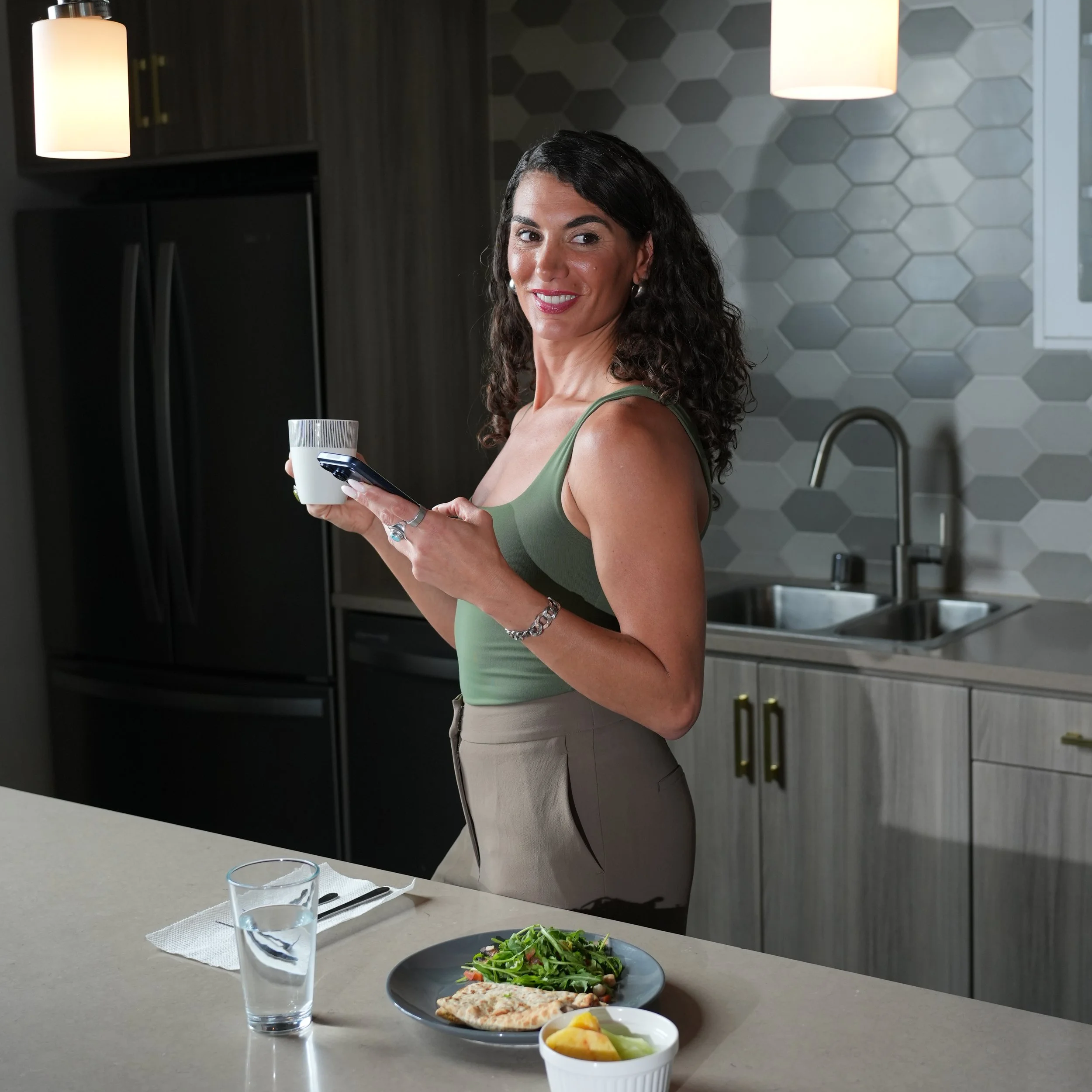
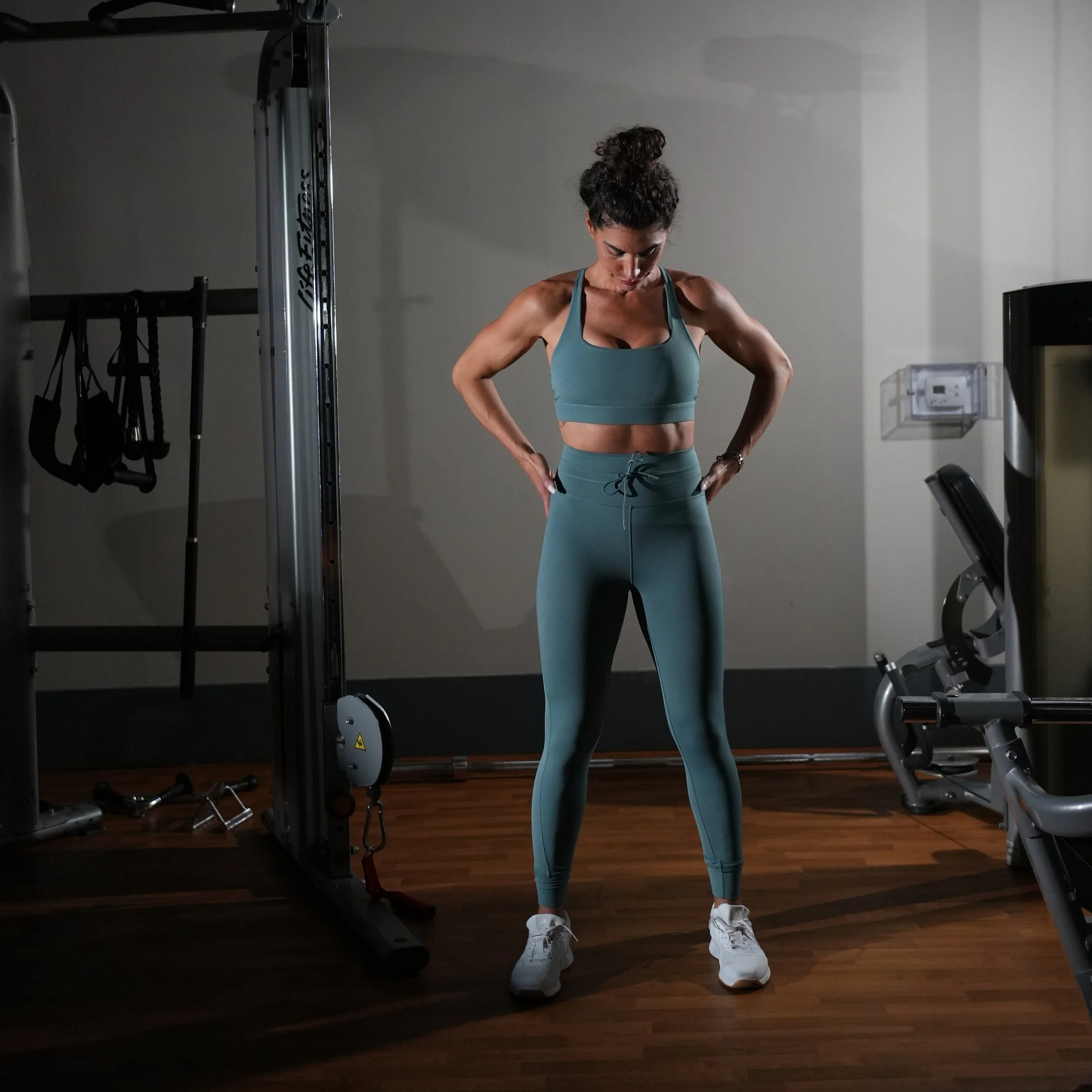
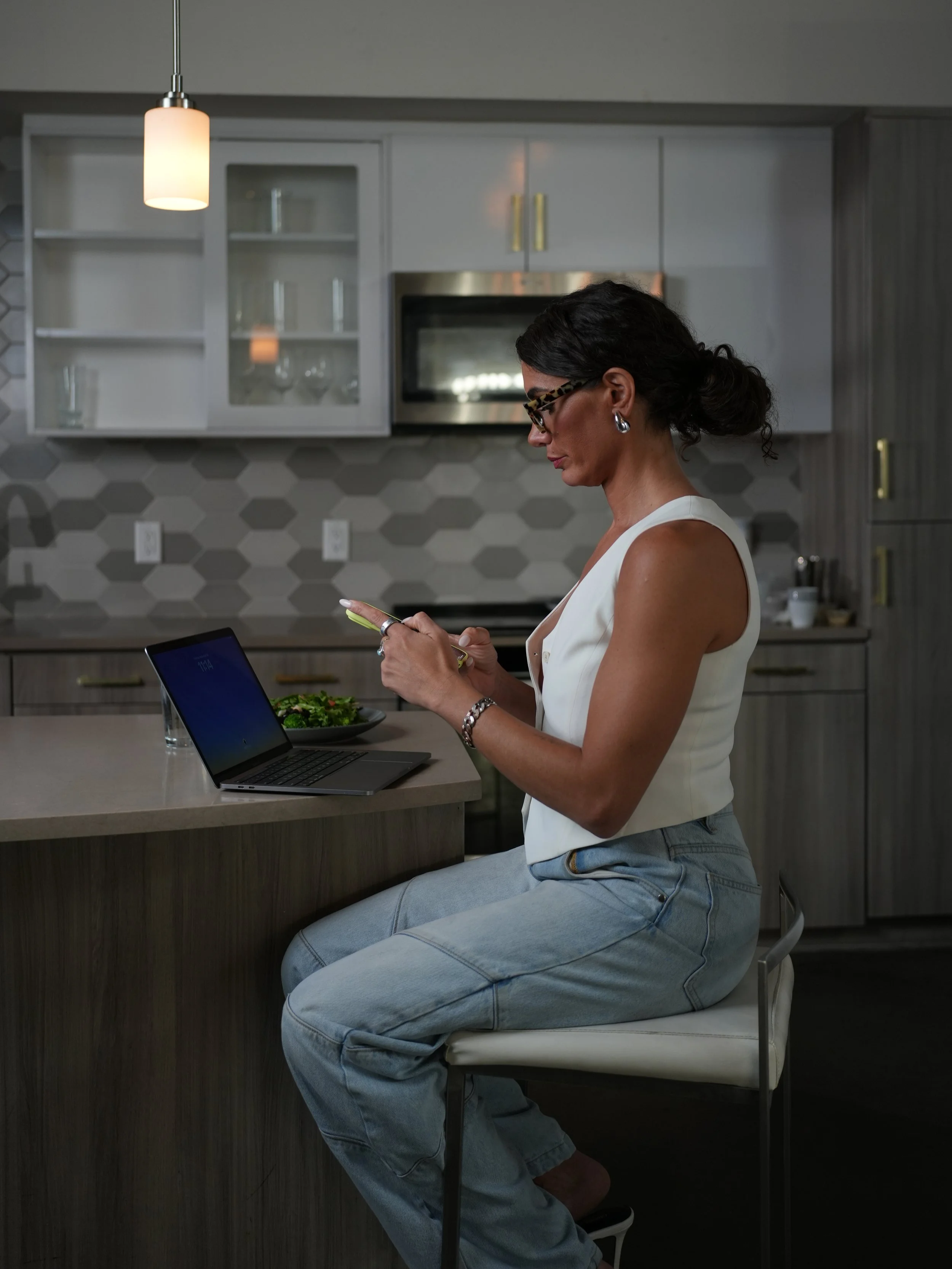
This is an all-in-one movement and nutrition program that introduces herbal remedies into your weekly regimen. Together we will manage your consumption while integrating supportive activities like light strength training, meditation, breath work, and positive mindset practices so that you will reap maximum benefits.
Upon purchase you are officially a new client! You will be directed to the client portal to begin.
Includes:
Journaling exercises and prompts
Exclusive access to guided meditations
Private 1:1 breath work sessions
Plans & routines to optimize positive mindset
A wealth of plant medicine usage guidance
Unlimited text support
Risks & Realities
Microdosing isn’t for everyone.
Psilocybin is still illegal in many states. Always check your local laws.
It can interact with medications like SSRIs or mood stabilizers.
It can surface buried emotions-which is why integration practices matter.
Hart Method Tip: If you ever explore it, do so with intention, education, and respect- not as an escape or performance hack.
Integration > Intensity
The real magic isn’t in the mushroom though, it’s in what you do with the insights.
Meditation, journaling, therapy, and somatic practices help you anchor what surfaces.
Without integration, microdosing becomes just another supplement.
Think of it as a potential tool, not a magic pill.
Is It Right for You?
Ask yourself:
Am I emotionally grounded enough to be curious without clinging?
Do I have professional or community support if big emotions arise?
Am I using this to enhance presence or to avoid something uncomfortable?
If you’re seeking connection, creativity, and nervous-system healing and you’ve done your research - microdosing can be part of a broader holistic approach.
Where the Science Stands
Studies from Johns Hopkins and Imperial College London are showing promise for psilocybin’s role in:
Treating depression and PTSD
Enhancing neuroplasticity
Supporting addiction recovery
Still, most research is in early phases. The key is cautious optimism- not blind trust.
The Hart Perspective
If microdosing enters your wellness journey, let it complement, not replace, the foundations: movement, nutrition, sunlight, sleep, and connection.
Because no amount of mushrooms can replace a good meal, a deep breath, or a walk that clears your head.
Want a deeper, responsible intro to this topic? Download my Microdosing Guide; a grounded overview of how psilocybin can support self-awareness, creativity, and emotional regulation (without bypassing the hard work).

A comprehensive guide that introduces you to mushroom management and how to implement it into your daily routine; a great precursor to our one month 1:1 coaching program, Harmony.


Follow Amanda Hart for free fitness tips



















This is an all-in-one movement and nutrition program that introduces herbal remedies into your weekly regimen. Together we will manage your consumption while integrating supportive activities like light strength training, meditation, breath work, and positive mindset practices so that you will reap maximum benefits.
Upon purchase you are officially a new client! You will be directed to the client portal to begin.
Includes:
Journaling exercises and prompts
Exclusive access to guided meditations
Private 1:1 breath work sessions
Plans & routines to optimize positive mindset
A wealth of plant medicine usage guidance
Unlimited text support