How to Master the Mind & Body Connection During Your Workouts
The mind-body connection significantly impacts motor learning, particularly in physical therapy. This connection refers to an individual's thoughts during movement. Injury rehabilitation often highlights this, as retraining the mind to work with the body is crucial for rebuilding strength, flexibility, and mobility by essentially reminding muscles of proper function.
Exercise employs two main attentional focuses: internal and external. Internal focus involves concentrating on bodily movements (e.g., glute activation during a hip thrust). External focus involves directing attention to the environment (e.g., pushing the floor away during a squat). Both approaches are valid, offering different pathways to effective movement.
“...when the goal is to maximize hypertrophy, indirect evidence suggests that an internal focus may be the best approach.” - Bret Contrares
This makes sense why bodybuilders have long preached the importance of developing a “mind-muscle connection” when training. This internally focused strategy involves visualizing the target muscle and consciously directing neural drive to the muscle during a specific exercise.
Now that we know and understand what the mind & body connection is and have proof that it actually works, what are some ways we can implement it during our own workouts? I list a few below.
Before you workout, WARM UP!
Specifically, warm up the muscle group you intend to work on during your workout. This will ensure blood flow gets to the area so the neural drive is a likely outcome. Don’t jump into your set and start loading weight to the bar either- start with lighter weights and gradually increase weights with each warm-up set. Try these dynamic warm-ups HERE.
Visualize!
Visualize the muscle group you’re trying to focus on the entire time. The brain sends direct signals to the muscles so whatever you choose to focus your attention to, the more blood flow and stimulation that area will receive.
BREATHE
Breathing is an important part of maintaining the mind/body connection so making sure it’s cohesive with the movement pattern is important.
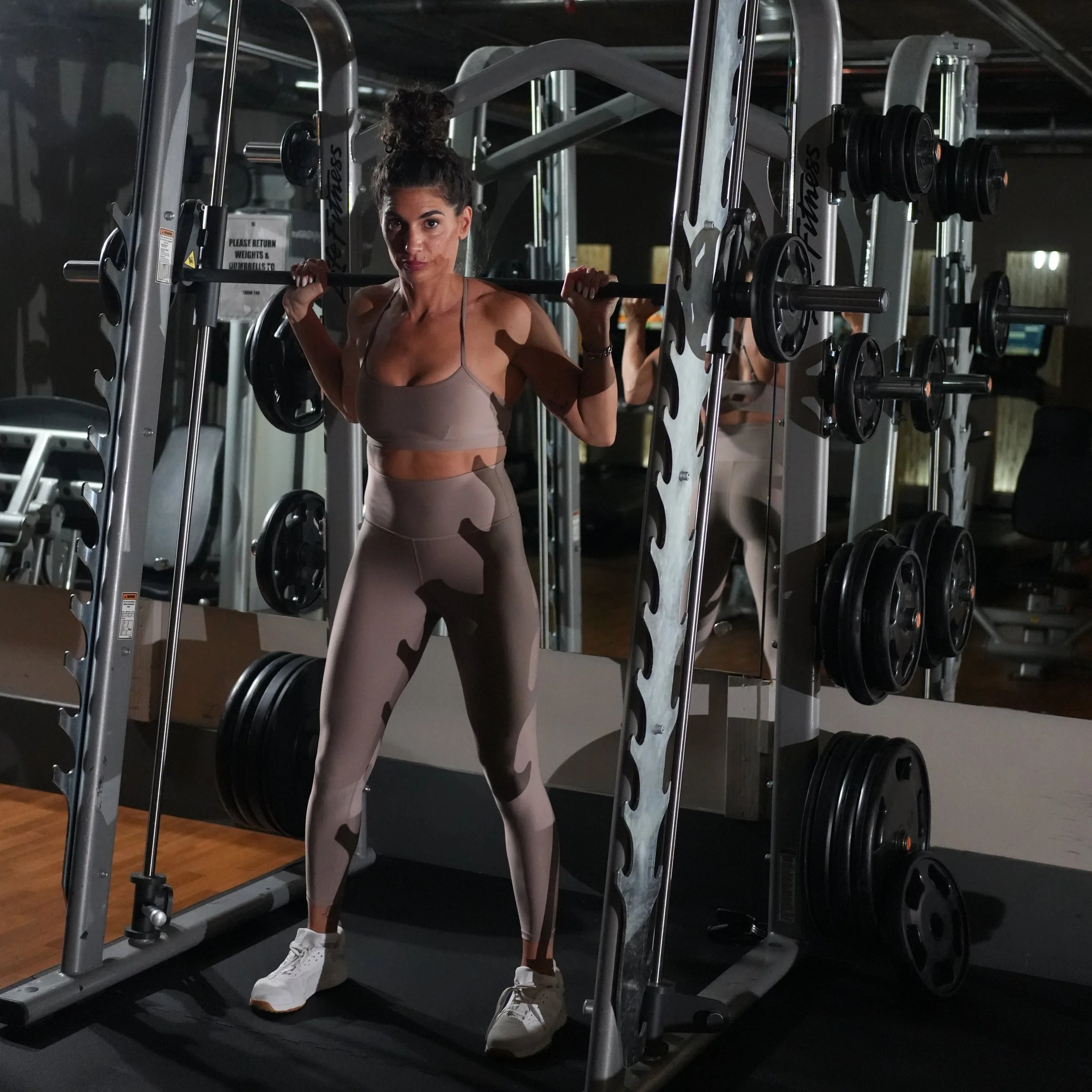
For example, you want to focus on your glutes in a squat- cool. So what you would do is take a deep breathe in (filling your lungs up with air) and brace your core. Before you start to descend down into a squat, take that big breathe in and hold your breathe on the way down until you reach the bottom of the squat. From the bottom of the squat, exhale HARD while driving out of the hole. Make sure to focus on your glutes and visualize them as you find your way back to the top of the squat in order to reset and do it all over again.
Once you’re able to make a conscious shift in the mind & body connection during your workouts, you’ll find that you will be challenged in new ways without changing anything in the program itself. Adjusting and perfecting this technique takes time. Keep practice your visualizing and breathing. Your workouts will feel extremely different and challenging in ways you never knew possible.